The Allure of High-Stakes Gambling
High-stakes casino games attract players with the promise of substantial rewards and the thrill of risk. The psychology behind this allure is deeply rooted in human behavior. Players often perceive high-stakes gambling as exhilarating, carrying a sense of prestige and excitement that lower-stake games lack. This perception drives individuals to engage in high-stakes environments, where every bet can lead to monumental gains or devastating losses. Additionally, many individuals are now considering crypto casinos uk as a platform that offers exciting features and opportunities.
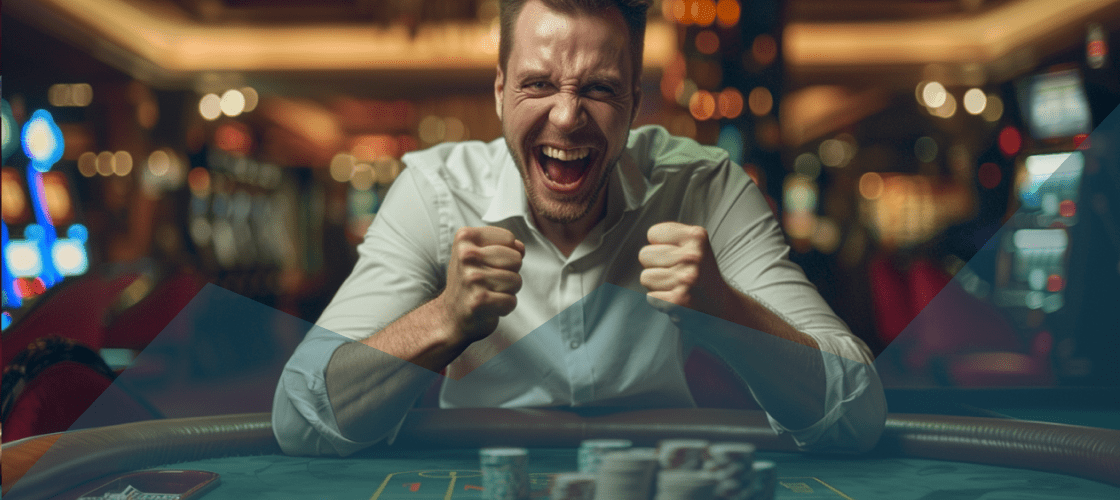
The adrenaline rush associated with these games heightens emotions, creating a brain chemistry cocktail that can lead to an addictive pattern of play. The potential for significant wins triggers the release of dopamine, a neurotransmitter responsible for pleasure and reward. As players chase these dopamine highs, they become increasingly drawn to the games, sometimes ignoring the potential consequences of excessive gambling.
The Role of Risk and Reward
The psychology of risk and reward plays a crucial role in high-stakes casino games. Players are often willing to sacrifice large amounts of money for the chance to win big, a phenomenon known as risk-seeking behavior. This tendency can be explained through various psychological theories, including prospect theory, which suggests that people value potential losses and gains differently. In high-stakes scenarios, the potential for a life-changing win often overshadows the risks involved.
Furthermore, the environment of a casino adds layers to this psychological dynamic. Bright lights, sounds of excitement, and the presence of other players amplify the feelings of urgency and competition, reinforcing risk-taking behaviors. Players might find themselves caught in a cycle of chasing losses, a behavior that can lead to overextending their gambling budget and engaging in reckless spending.
The Impact of Cognitive Biases
Cognitive biases significantly influence gambling behavior, especially in high-stakes scenarios. One prevalent bias is the illusion of control, where players believe they can influence game outcomes through skill or strategy, even in games of pure chance. This belief can lead to overconfidence, causing individuals to place larger bets or play longer than they originally intended.
Another common cognitive bias in gambling is the gambler’s fallacy—the erroneous belief that past events can affect future outcomes in games of chance. For instance, a player might think that a losing streak in a game means they are due for a win, prompting them to increase their bets. These biases distort rational decision-making and can propel players into risky behaviors, reinforcing the cycle of high-stakes gambling.
The Emotional Rollercoaster of Gambling
The emotional experiences associated with high-stakes casino games are multifaceted, ranging from intense excitement to acute anxiety. Players often oscillate between elation during wins and despair during losses. This emotional rollercoaster can lead to a heightened sense of attachment to the game, making it difficult for gamblers to walk away, even when they are on a losing streak.
Additionally, the social dynamics within casinos can amplify these emotional highs and lows. Interactions with other players and the atmosphere of the gaming floor contribute to a communal experience that reinforces feelings of excitement and competition. This social engagement can further entrench individuals in high-stakes gambling, as they seek to continue the emotional highs they encounter in these vibrant environments.
Understanding Online Safety in Gambling
While exploring the intricate psychology of high-stakes casino games, it is essential to recognize the importance of online safety. Many gamblers are drawn to virtual casinos, where they can engage in high-stakes games from the comfort of their homes. However, this convenience comes with risks, including potential fraud and data breaches. A secure online environment is crucial to protect users from these threats.
Ensuring a safe gambling experience is paramount for both players and operators. Robust security measures and protocols should be in place to mitigate unauthorized access and protect personal information. For players facing access issues or security concerns, it is advisable to reach out to the site owner for assistance, ensuring that their gaming experience remains safe and enjoyable.
Exploring the psychology behind high-stakes casino games
Description
- 43
- February 27, 2026
- Jokes